
Real-world project briefs
Students write executive communications, build strategic presentations, conduct research, and create outputs that mirror the standards of serious professional work.
An 8-week apprenticeship for ambitious teenagers who want more than theory. Students tackle professional challenges with AI, build serious outputs, and learn to produce work that already looks beyond school.


Students leave with something visible: a portfolio-ready deliverable, stronger AI fluency, and a much more compelling story about what they can actually do.
This programme closes that gap by teaching students to think, create, and deliver with AI in real professional contexts.
Structured like a compact sprint, not a passive video course.
Portfolio work, project discipline, and genuine AI competence.
Artificial intelligence is reshaping how serious work gets done. Yet most teenagers are still being trained for a model of success that assumes linear effort, slow tools, and classroom-only proof of talent.
Your son or daughter does not need another generic enrichment programme. They need a demanding, well-structured environment where they work on professional-grade tasks and learn how to use AI as a force multiplier.
The AI Apprenticeship is designed for exactly that moment: the space between school achievement and real-world readiness. Students learn how to research deeply, frame problems sharply, create polished outputs, and deliver with discipline.
This is not about “playing with AI.” It is about learning how smart people use it to produce better thinking and better work.
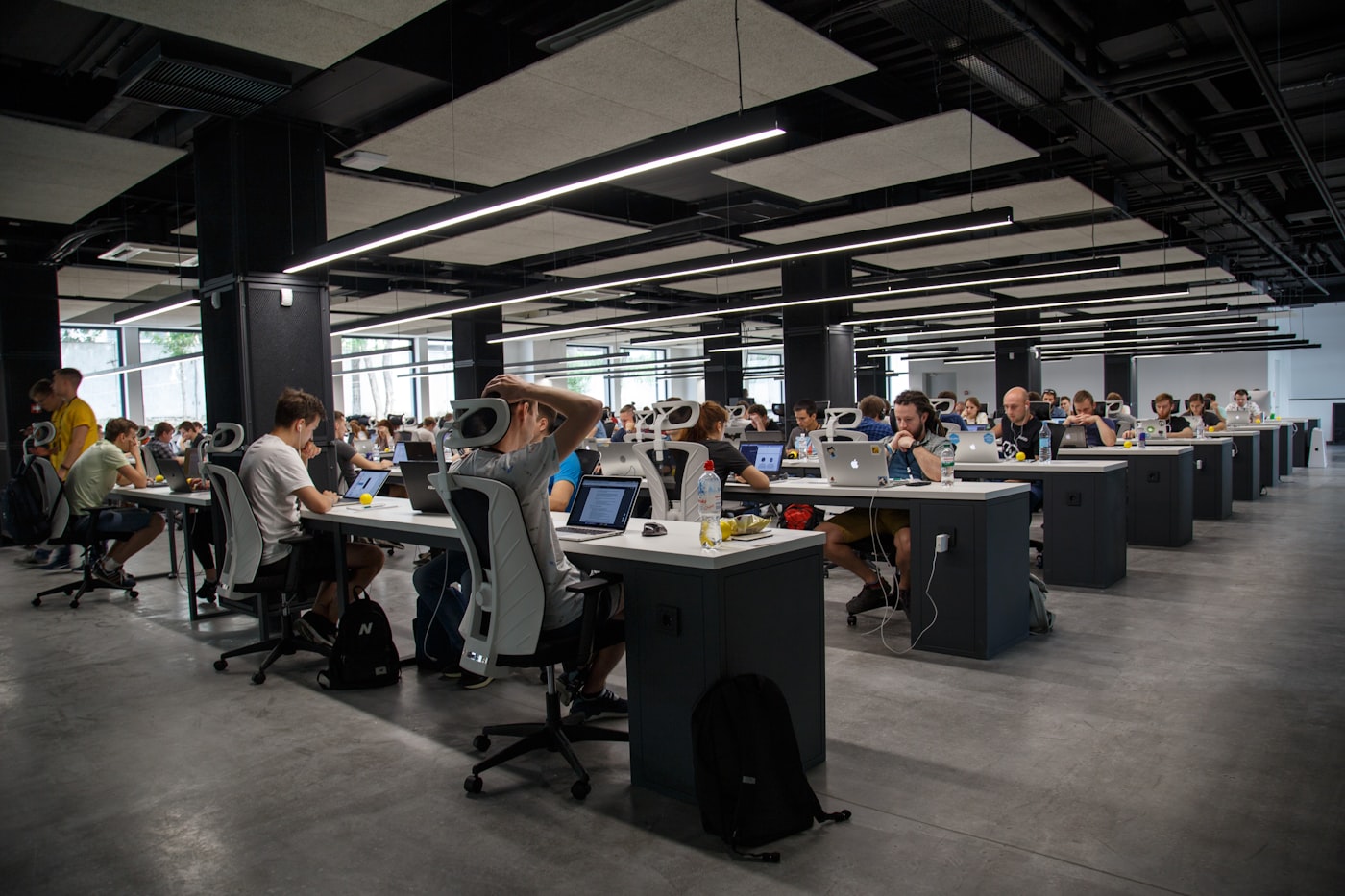
In a world where excellent grades are increasingly common, visible proof of initiative, judgment, and output quality becomes more valuable. Students who can already do exceptional work with modern tools stand apart.
Students work on genuine professional outputs using the same categories of tools and methods that consultants, operators, and founders already use every day.
Students write executive communications, build strategic presentations, conduct research, and create outputs that mirror the standards of serious professional work.

Prompting, critique, synthesis, iteration, and tool selection are treated as professional practices. Students learn when AI helps, where it fails, and how to raise the quality bar.

Scope, milestones, deadlines, revision cycles, and communication are part of the experience. Students are not just taught to generate ideas, but to finish work well.
The cohort runs like an intensive studio sprint: one live online session each week, plus guided challenges between sessions inside a dedicated collaborative workspace.
Students learn the workflow, adopt the tools, and begin gathering and evaluating information with much more rigor.
We move from information to judgment: framing problems, surfacing insights, and shaping a persuasive line of thinking.
Students turn work into polished outputs, refine quality through feedback, and start operating with professional standards.
The sprint culminates in a final deliverable that can become a portfolio asset and a meaningful proof point for future opportunities.
The programme is designed to generate outcomes that are useful after the programme ends, not just inspiration during it.
A research memo, presentation, strategy document, or similarly strong professional output built through the programme.
Students learn how to research, write, analyze, and improve work with AI rather than simply ask it for answers.
Scope, planning, revision, ownership, and deadline discipline become part of how the student approaches serious work.
Students begin seeing problems as opportunities and understanding how insight can be turned into value.
For university applications, internships, and interviews, students gain a much more distinctive story than grades alone can provide.
Students stop seeing advanced work as something adults do somewhere else. They experience themselves producing it.
The programme is built around applied judgment. That means the teaching model matters: students are guided by someone who works with ideas, strategy, technology, and communication in the real world.
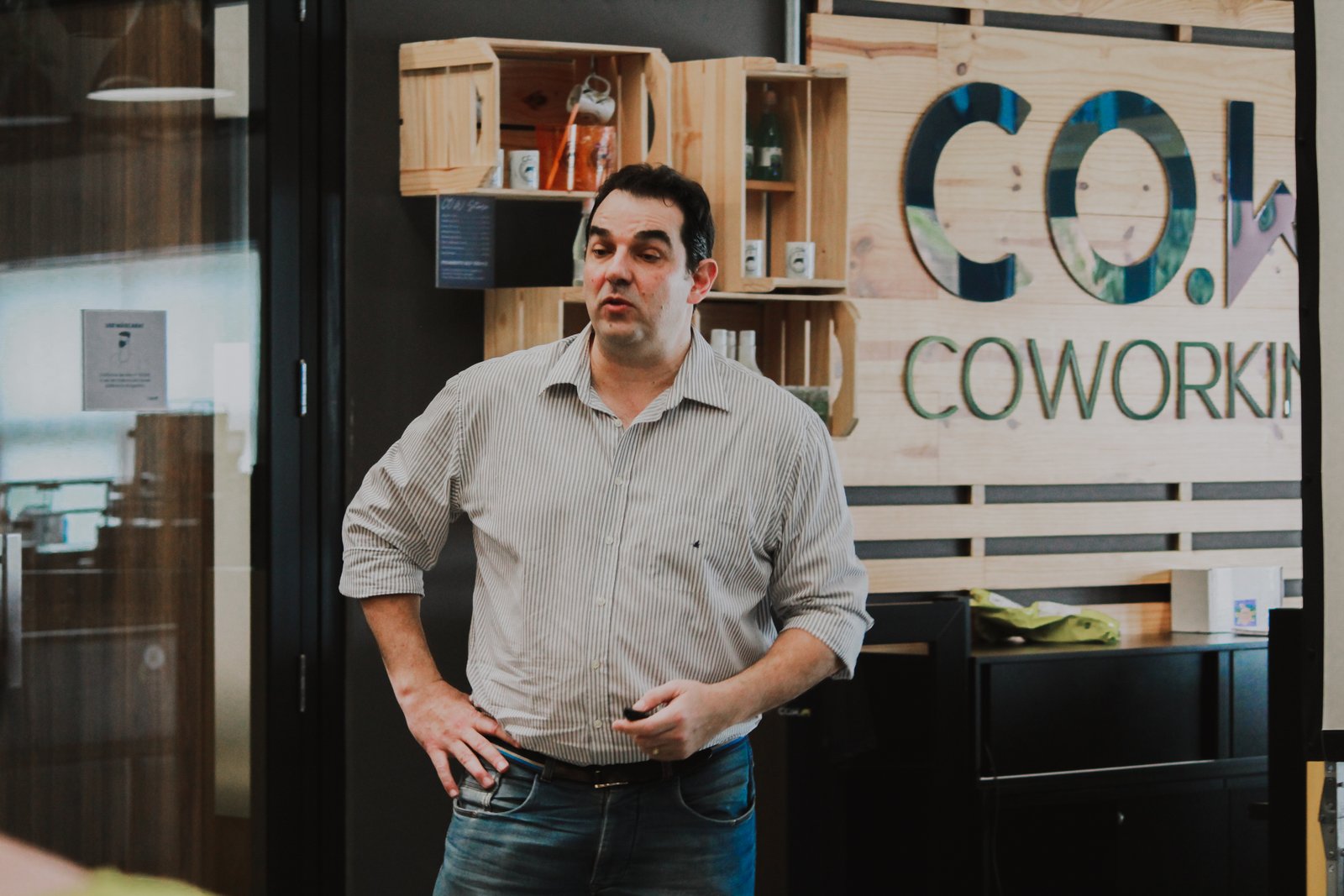

Professor, lecturer, consultant, author, and entrepreneur. The apprenticeship uses the same seriousness, clarity, and standards that shape Victor’s professional work.

“The teenagers who will thrive tomorrow are the ones who learn to produce exceptional work now, with the strongest tools available.”
This page version leans into that idea visually as well: less “course brochure,” more “serious modern studio” with a premium tone and stronger confidence.
The structure is intentionally compact so the work stays rigorous, the mentor access stays personal, and every student has room to contribute meaningfully.
Live online sessions of roughly 60-75 minutes each, supported by structured asynchronous work between meetings.
Small cohorts create the space for critique, accountability, and meaningful mentorship that larger groups simply cannot offer.
Conducted entirely in English, which also helps strengthen the student’s fluency in a globally valuable professional context.
The programme is designed for families who want a focused, high-touch experience that gives students a real advantage rather than generic exposure.
Per student. Next cohort forming now.
The AI Apprenticeship is for ambitious teenagers aged 14-18 who want more than passive learning. It is especially valuable for students targeting top universities, global opportunities, internships, or simply a sharper understanding of the AI-shaped world they are entering.
No prior technical background is required. What matters is curiosity, seriousness, and a willingness to do real work.
Bright, motivated, and ready to be challenged. The programme works best for students who enjoy ideas, want to build something meaningful, and are open to feedback.
The original page already answered the right questions clearly, so this version keeps that substance while presenting it in a cleaner, more premium way.
All sessions are conducted in English, which also strengthens professional fluency for international university applications and future opportunities.
Students should expect up to 2 hours per week beyond the live session for challenges, revision, and project work.
No. This is not a coding bootcamp. It teaches AI as a high-value professional tool, so curiosity and commitment matter much more than prior background.
Depending on the student’s goals, it may be a research memo, presentation, strategic analysis, or another polished output that can be shown to admissions teams or employers.

The students who benefit most in the next few years will not be the ones who waited for formal institutions to catch up. They will be the ones who started early, built fluency quickly, and learned to create high-level work while everyone else was still treating AI as novelty.
The riskiest move for a talented student right now is to assume that conventional preparation is still enough on its own.
Reserve a PlaceShare a bit about your son or daughter and what you hope they gain from the programme. Every enquiry is reviewed personally.
This programme is best suited for students who are genuinely ready to stretch. The cohort is intentionally small so every seat matters.